Facebook
 X
 Pinterest
 Copy Link
The Edmonds Effect
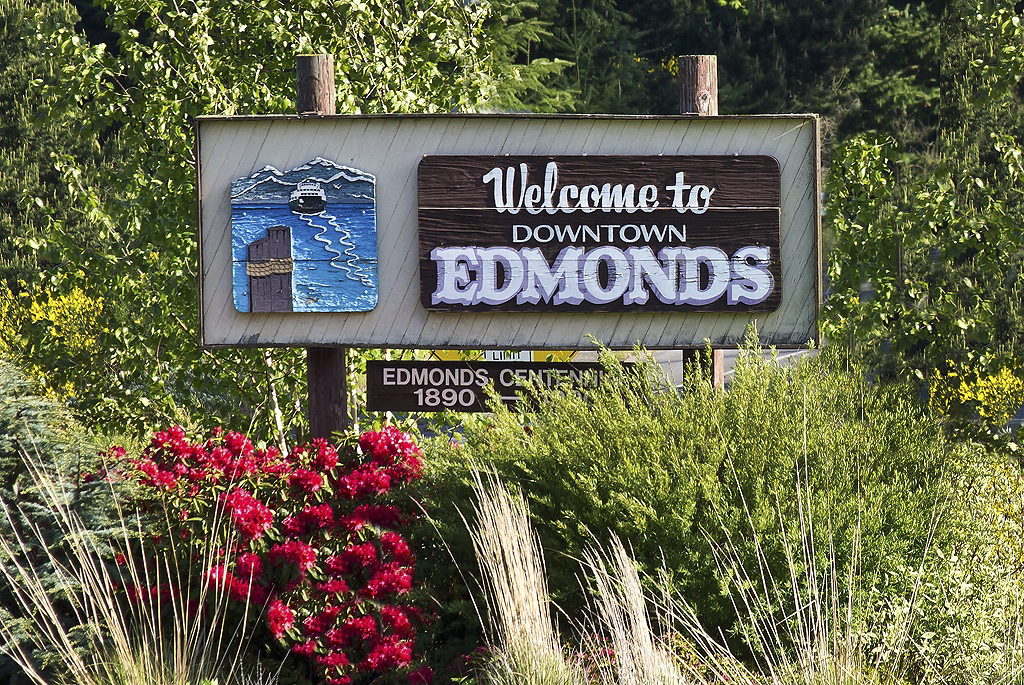

Why living here changes you – for good

There’s something about Edmonds. You feel it before you name it. Maybe it’s the way the light hits the Sound at sunset, or how the barista remembers your order even when you forget your wallet. Maybe it’s the quiet pride in a well-tended OVD garden, or the way strangers become neighbors with just one block party in Pine Park.
Whatever the reason, the feeling is real. And if you’ve lived here long enough, you know – Edmonds changes you, for good.
I know this firsthand. My family moved from the city to Seaview 16 years ago, chasing a quieter rhythm and a place to raise our two daughters. We found more than we hoped for – schools that felt like community, neighbors who became friends, and a sense of safety that let us exhale.
Our memories are tucked into ferry rides, Friday night lights at Meadowdale, and walks to Caffe Ladro at Five Corners. Edmonds didn’t just give us a home – it gave us a childhood to raise them in, and a town that still surprises us with its warmth.
As a real estate broker, I’ve watched people fall in love with a house, but it’s the place that feels like home before the paperwork even starts. They come for the view, the schools, the walkability. They stay because Edmonds offers something deeper: a sense of belonging.
Life here moves at a pace that invites you to breathe. To linger. To notice. You start waving to people you don’t know. You start caring about things like farmers markets, tide charts, and ferry schedules. You begin to feel part of something – not just living in a town but woven into it.
I’ve seen this happen to residents trading skyline buzz for coastal calm. They wander through the Bowl, grab a coffee at Walnut Street Coffee, and suddenly they’re asking about local restaurants and theater shows. They’re not just finding a place to live – they’re discovering a lifestyle. One that’s quieter, yes, but full of soul.
And it’s not just newcomers. Lifelong residents feel the pull, too. The Edmonds Effect is what keeps people rooted here even when life tries to tug them elsewhere. It’s why folks volunteer at Cascadia Art Museum, show up for art walks, help the Edmonds Food Bank with food drives, and rally around local businesses like they’re family.
Real estate here is more than a transaction. It’s a transition – a moment when someone chooses not just a house, but a way of life. Because in Edmonds, the vibe matters. The block matters. The outlook matters.
We’re lucky. Not every town invites you to slow down and lean in. Edmonds does. And when you let it, something shifts.
Whether it’s the buzz of Main Street or the hush of a tree-lined block, Edmonds invites you to notice. To linger. To belong. The color. The connection. The magic.
In a phrase, Edmonds is Simply Extraordinary.
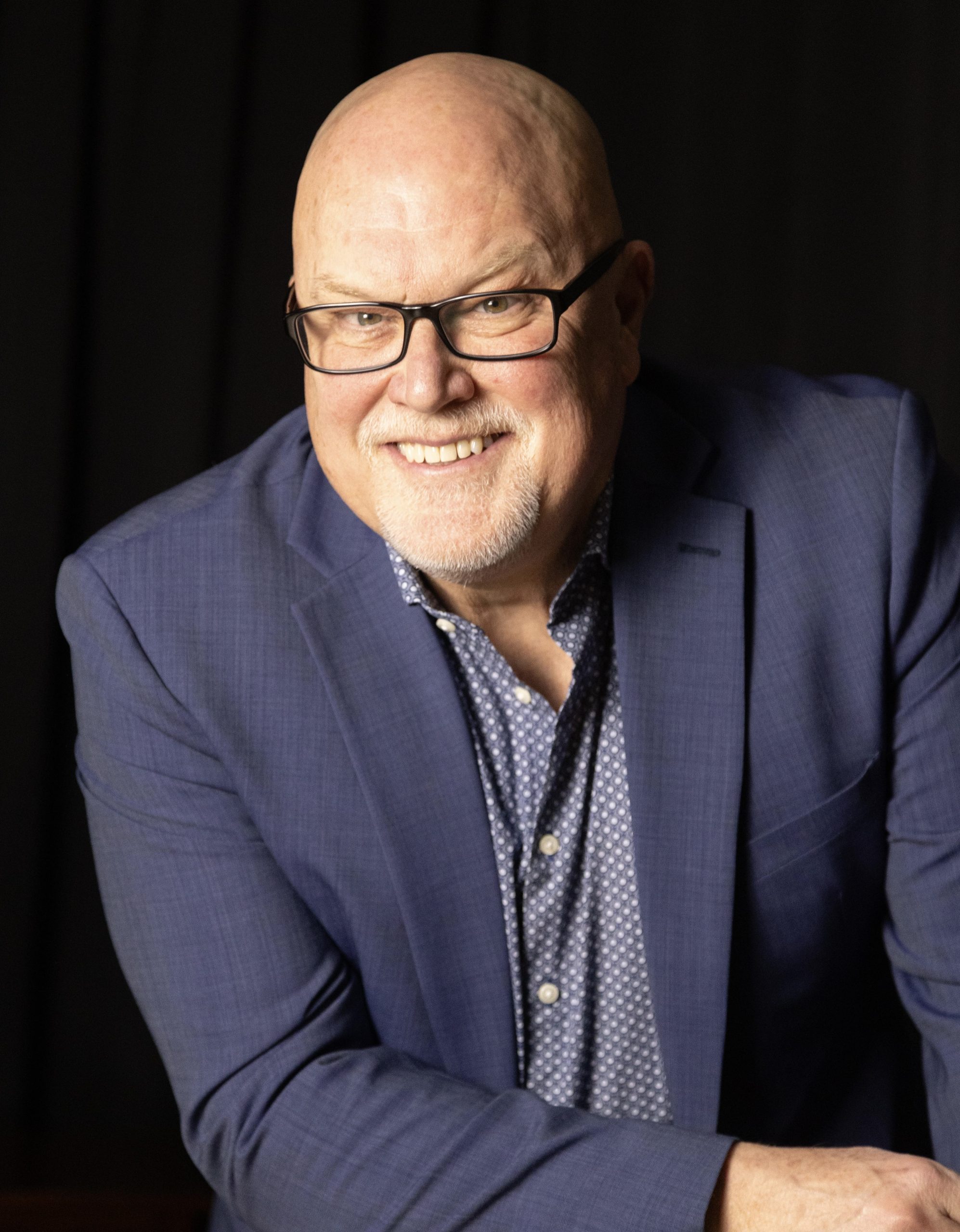
Ken Grant is an Edmonds resident and broker with Windermere Real Estate.


Podcast: Play in new window | Download
From City Lights to Porch Lights
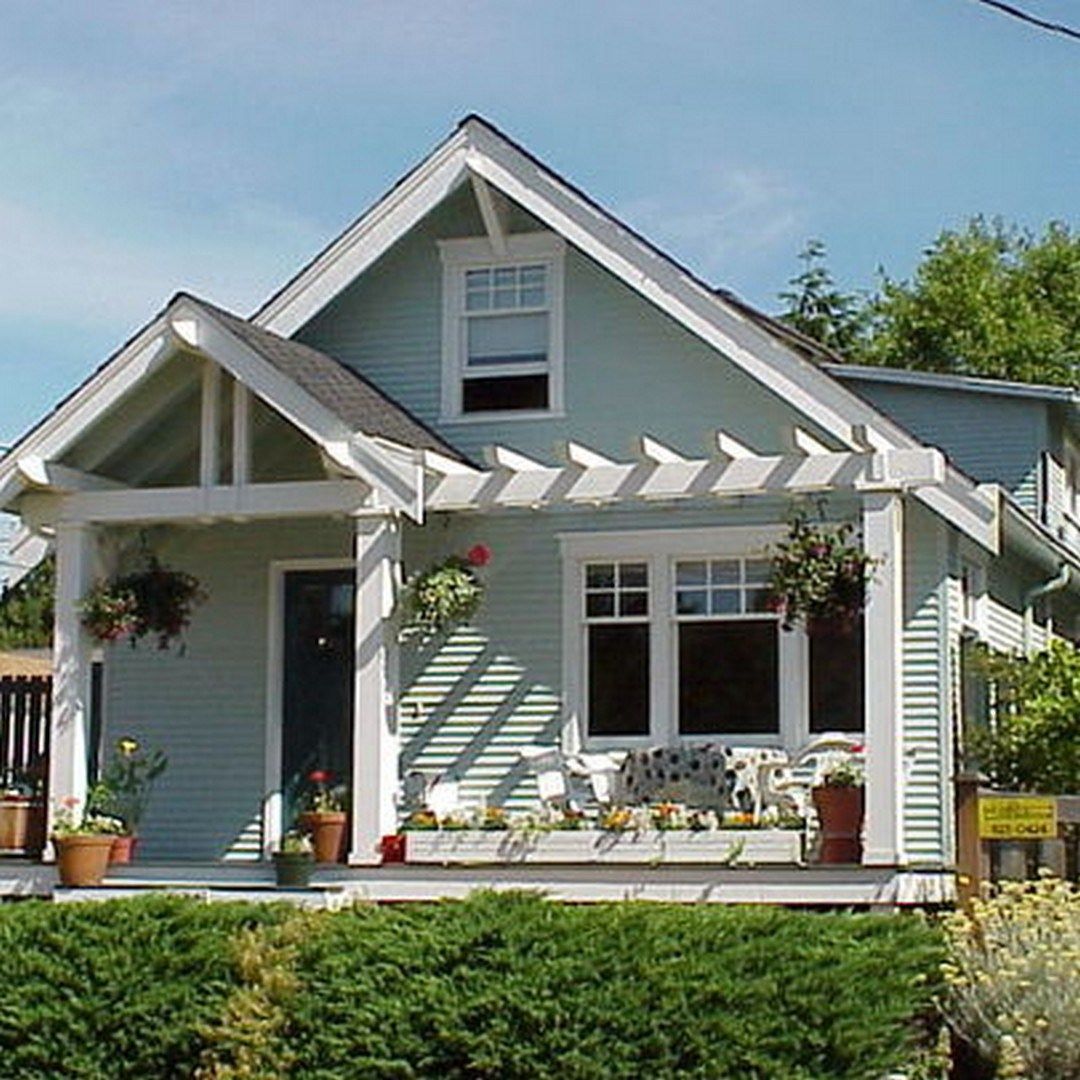
From City Lights to Porch Lights: Rethinking the Move to the Suburbs
For years, the city was our pulse. We chased opportunity, soaked in culture, and wore our urban grit like a badge of honor. So when the idea of moving to the suburbs crept in — maybe for space, maybe for schools, maybe just for sanity — it felt like betrayal. Like trading espresso shots for soccer snacks. Like selling out.
We joked about minivans. We feared boredom. We wondered if we’d lose ourselves.
But here’s the truth: we didn’t sell out. We evolved.
It’s Not Better or Worse — It’s Just Different
Moving to the suburbs isn’t a downgrade. It’s not a surrender. It’s a shift. A different rhythm. A different kind of richness. You trade honking horns for birdsong. Rooftop bars for backyard fire pits. Spontaneity for intention. It’s not about losing your edge — it’s about choosing where and how you want to live.
The Suburbs Aren’t Sleepy — They’re Spacious
Yes, the pace is different. But slower doesn’t mean dull. It means room to breathe. It means front porches where neighbors wave. It means backyard dinners that stretch into starlight. It means rediscovering what home feels like when it’s not just a place to crash between meetings.
Belonging Looks Different Here — And That’s Okay
In the city, we belonged to the buzz. In the suburbs, we belong to each other. Block parties, food drives, game nights — these aren’t just calendar fillers. They’re community glue. And for many of us, they’re the first time we’ve felt truly seen.
You Don’t Lose Your Edge — You Refine It
Moving out doesn’t mean giving up. It means choosing what matters most. You still chase dreams. You still build. You just do it with more intention — and maybe a better view.
So, if you’re standing at the edge of that decision, wondering if the suburbs will dull your shine — know this:
You’re not selling out. You’re stepping in.
To space. To connect. To a potentially quieter lifestyle, yes — but also richer, deeper, and more yours than ever.
One Year In! Many More To Go…

One Year In: What Real Estate Taught Me About Belonging
I didn’t become a real estate broker to sell houses. I did it to help people find their place — not just on a map, but in a moment. A year ago, I stepped into this world with curiosity, creative energy, and a healthy dose of imposter syndrome. What I found was something quietly extraordinary.
The First Door I Opened Was My Own
Real estate isn’t just about square footage and school districts. It’s about listening. It’s about noticing the way light hits a kitchen counter at 4:17 p.m., or how a backyard feels like a sanctuary after a long day. It’s about helping people see not just what a home is, but what it could be.
I’ve learned to ask better questions. To slow down. To honour the emotional weight of a move — whether it’s joyful, bittersweet, or somewhere in between.
My Tribe, My Boss, My Partners
I wouldn’t be here without my designated broker, who saw something in me before I did. Without my tribe — the people who cheer me on, challenge me, and remind me why this work matters. Without my partners — the lenders, inspectors, repairers, and photographers who show up with excellence and heart.
This year has not been easy. This is a really tough job. But no one said it would be easy!
And it has been a masterclass in collaboration. In humility. In trusting the process. Trusting those around me; experts in their fields.
What This Job Taught Me About Myself
My family always said I would make a broker, “You’ll be a natural,” they would always say. My friends did too. Turns out, they were right — and watching their pride in this chapter has been one of the quiet joys of the year.
This work has also helped me understand myself more deeply. I’ve learned how my OCD lives inside my ADHD — how my eye for detail and my need for alignment aren’t quirks, but tools. They help me notice what others might miss. They help me serve.
This isn’t just a job. It’s my last job. And it fills me up in ways I didn’t expect.
Clients Who Became Collaborators
I’ve worked with some amazing clients this year — people navigating big transitions, bold decisions, and tender moments. I’ve been their cheerleader, their strategist, their sounding board. And in every case, I’ve tried to be the kind of guide I’d want in my own life: honest, empathetic, and quietly relentless.
Year Two: Focused, Local, and Proud
As I step into year two, I’m doubling down on my own backyard — Edmonds, Lynnwood, and Bothell. I’m shaping stories that speak to sellers with clarity and market insight, and to buyers with pride and lived expertise. I’m spotlighting the soul of these communities through cinematic, emotionally intelligent storytelling — not just to elevate listings, but to honour the lives behind them.
Thank You!
To my clients, collaborators, and community: thank you. You’ve let me into your lives, your living rooms, and your stories. You’ve trusted me with your transitions. And you’ve reminded me that real estate, at its best, is about belonging.
At the end of every video I produced this year, I say, “I am here at your service.” It’s not a tagline. It’s a promise. To show up with heart. To listen with intention. To serve with everything I’ve got.
Here’s to year two — with more focus, more hustle, and more unforgettable moments.
I am at your service.
Renting vs Owning: Beyond the Math, Into the Heart

There are thousands of articles comparing renting and buying. Most of them focus on numbers—equity, interest rates, tax benefits. And while those matter, they miss something deeper: how it feels.
Because the truth is, home isn’t just a financial decision. It’s an emotional one. And when you’re deciding whether to rent or buy, you’re not just choosing a payment plan—you’re choosing how you want to live.
Let me tell you a quick story.
I once leased a car. It was sleek, it was new, and it checked all the boxes. But I hated it. It never felt like mine. I couldn’t change anything. I was always aware of the limits. And when the lease ended, I walked away with nothing to show for it.
That feeling? It’s exactly what many renters experience.
Personalization: The Power to Express Who You Are
Renting often means living in someone else’s choices. Beige walls. Builder-grade fixtures. Rules about what you can hang, paint, or plant. It’s functional—but rarely personal.
Owning flips that. You get to express yourself through space. Whether it’s a bold accent wall, a garden that reflects your rhythm, or a kitchen that feels like you, ownership gives you creative control. And that control isn’t just aesthetic—it’s emotional. It’s the difference between living in a place and inhabiting it.
Your home becomes a mirror of your identity. A place where your story unfolds, not just where your mail gets delivered.
Decision Fatigue: The Hidden Cost of Renting
Renters face constant churn—lease renewals, roommate changes, moving logistics. That mental overhead adds up, especially for professionals juggling careers and families.
Buying simplifies the decision tree. You settle in. You plan ahead. You stop wondering what’s next every 12 months.
Time Anchoring: How Ownership Changes Your Relationship to the Future
Renters often live in short-term cycles. Owners think in arcs—school districts, renovations, community roles. That shift changes how people invest in themselves and their neighborhoods.
Ownership isn’t just about permanence. It’s about possibility.
The Investment Fear: “It’s Too Big. Too Grown-Up. Too Out of Reach.”
This is the part most blogs gloss over—but it’s real. For many, buying a home feels like stepping into a world they weren’t invited to. The down payment seems impossible. The monthly payment feels like a trap.
But here’s the truth: you don’t have to do it the way your parents did.
Today’s buyers have options—low down payment programs, first-time buyer assistance, creative financing, and even co-buying models. The key isn’t to leap—it’s to learn. To ask questions. To explore possibilities without pressure.
And emotionally? Owning a home doesn’t mean you’ve “arrived.” It means you’re choosing to invest in your future, your stability, and your sense of place. It’s not about being grown-up. It’s about being grounded.
The Asset That Grows While You Sleep
Here’s the quiet truth: most homes in the Seattle–Edmonds area don’t just hold value—they grow it. Historically, this region has seen steady appreciation, fueled by strong job markets, natural beauty, and a deep sense of place.
When you own a home here, you’re not just paying for shelter—you’re investing in an asset that often grows while you sleep.
Renting, on the other hand, is a fixed cost with no return. You pay, you stay, you leave—and the money’s gone. The walls don’t remember you. The neighborhood doesn’t owe you anything.
Ownership flips that. Every mortgage payment is a step toward equity. Every year is a chance for appreciation. And in areas like Seattle and Edmonds, that growth isn’t just possible—it’s probable.
Closing Thoughts
Renting vs owning isn’t just about math. It’s about meaning.
It’s about how you want to live, how you want to feel, and how you want to grow. Whether you’re craving creative freedom, emotional stability, or long-term investment, homeownership might be closer than you think.
If you’re ready to explore what ownership could look like for you, I’d be honored to help.
Let me know if you want to post this next, build a matching email or social teaser, or turn it into a short video script. This one’s got legs.
Finding Home After Divorce: A Fresh Start with Heart

Divorce is one of life’s most profound transitions. It’s not just the end of a relationship — it’s the unraveling of routines, shared spaces, and the vision of a future once imagined together. For many, it’s disorienting. For some, it’s liberating. For all, it’s a moment that demands courage.
And in the midst of this emotional terrain, there’s a practical question that looms large: Where do I go from here?
I’ve been there myself (many years ago) and have had the honour of walking alongside friends during tough chapters like these. I’ve seen the tears, the relief, the hesitation, and the quiet strength that emerges when someone chooses to start fresh. And I’ve learned that the right home — chosen with intention — can be a powerful tool for healing, reinvention, and joy.
This isn’t about downsizing. It’s about right-sizing your life. Here are three unique ways to think about your next home after divorce—ideas that go beyond square footage and speak to the heart of what you need now.
1. The Intentional Reset
After a divorce, many people feel the urge to simplify. To declutter. To breathe. That instinct is wise.
An “intentional reset” home is one that reflects you—not compromise, not shared history, not the echoes of a life that no longer fits. It’s a space that supports your rhythm, your peace, and your growth.
Look for homes with natural light, calming colors, and layouts that feel intuitive. Maybe it’s a cozy one-level cottage with a garden. Maybe it’s a modern condo with clean lines and quiet corners. The key is to choose a space that feels like a deep exhale.
Consider creating a “reset room” — a space just for you. It could be a reading nook, a yoga corner, a music studio, or even a blank canvas for whatever comes next. This isn’t indulgent. It’s restorative. It’s a way to honor your healing and reclaim your space.
2. The Connection-Friendly Home
Divorce can feel isolating. Even if it was the right decision, the shift from shared routines to solo living can be jarring. That’s why connection matters.
A “connection-friendly” home is one that invites people in. It’s not about entertaining in the traditional sense — it’s about creating space for community, laughter, and support.
Look for homes with open kitchens, cozy living areas, and outdoor spaces that feel welcoming. Think about layouts that make it easy to host a friend for dinner, have your kids over for the weekend, or simply enjoy a morning coffee with a neighbor.
This kind of home helps rebuild your social fabric. It reminds you that healing doesn’t happen in isolation—it happens in connection. And your home can be the backdrop for that reconnection.
3. The Creative Sanctuary
Divorce often unlocks something unexpected: creativity. Whether it’s writing, painting, music, or entrepreneurship, many people find themselves rediscovering passions or exploring new ones.
Your next home can be a sanctuary for that creativity.
Look for flex spaces — bonus rooms, dens, ADUs, or even garages that can be transformed. These aren’t just extra rooms. They’re launchpads. Places where you can write your next chapter — literally or figuratively.
Maybe you’ve always wanted a studio. Maybe you’re starting a side business. Maybe you just need a quiet space to think. Whatever it is, your home can support it. And in doing so, it becomes more than shelter — it becomes a partner in your reinvention.
Closing Thoughts
Finding a home after divorce isn’t just about real estate. It’s about reclaiming your life. It’s about choosing spaces that reflect who you are now — and who you’re becoming.
Whether you’re looking for peace, connection, creativity, or all three, there’s a home out there that can support your journey. And you don’t have to navigate it alone.
If you’re ready to explore what’s next, I’d be honoured to help. Not just with listings, but with clarity, compassion, and a vision for your future.
Because this isn’t just a transaction. It’s a transformation. And you deserve a home that feels like a fresh start — with heart.