Facebook
 X
X
 Pinterest
 Copy Link
Navigating Downsizing in Edmonds

Navigating downsizing in Edmonds

As a broker in Edmonds, I often work with seniors and their families or guardians during times of transition. These moments can bring elevated emotions. There is a lot to think about, and the decisions are rarely simple. To provide perspective, I connected with my friend Mark Ibsen, a senior living adviser who knows the Edmonds community and its characteristics better than most. His expertise offers guidance that is both practical and compassionate.
Downsizing is not just about moving boxes or selling a house. It is an emotional process shaped by decades of memories and routines. A home becomes more than shelter; it is a reflection of life lived. Yet when a house no longer serves daily needs, holding onto it can quietly drain energy and limit freedom.
Mark emphasizes that reframing downsizing as designing your future, rather than giving up your past, can make the process feel liberating instead of overwhelming.
One of the biggest challenges is simply starting. The sheer volume of belongings can cause paralysis. Mark suggests beginning small: focus on one room, one closet, or even one drawer. He also recommends separating memories from objects. The dining table is not the memory of family dinners. The love shared around it is.
For items that carry deep sentimental value but no longer fit your life, take a photograph and create a digital album. This preserves the memory without taking up space.
Sorting through belongings early is not just about preparing for a move. It is about approaching the process with care. Every item carries a story, and taking the time to handle things thoughtfully shows respect for the memories attached to them and for the people who may one day help manage what is left behind.
Doing this work gradually also makes daily life easier. With fewer belongings, cleaning takes less effort, safety improves, and the stress of too much stuff begins to fade. And if the home in question eventually goes on the market, these same steps make a difference. A space that feels open and welcoming helps others imagine their own future there.
By clearing out what no longer serves you, you are not only creating peace of mind today; you are also setting the stage for a smoother transition tomorrow.
Mark also points out that downsizing is a gift to the next generation. Handling belongings now allows seniors to share stories, distribute heirlooms, and ensure their legacy is one of care and organization. It prevents children from facing the burden of sorting through decades of possessions during an already difficult time.
Finally, many seniors in Edmonds consider retirement communities. While the square footage may be smaller, the lifestyle is often richer. These communities offer vibrant social engagement, maintenance-free living, and built-in care for future needs. For many, it represents not a loss of space but a gain in freedom and connection.
Downsizing in Edmonds is not about shrinking your life. It is about creating space for safety, joy, and community. With guidance from experts and the support of our close-knit town, the transition can feel less like an ending and more like a beginning.
Edmonds Hidden History, Part 2
Edmonds Hidden History, Part 2
Celebrating the city’s incorporation
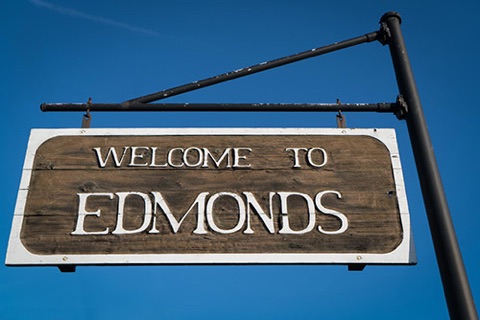
Aug. 11 marked Edmonds’ incorporation anniversary – 136 years of stories, surprises, and small details hiding in plain sight. The more I look around, the more I dig, the more I find pieces of history woven into everyday corners of the city, waiting for someone to notice.
The ferry holding pen
Near the ferry lanes sits a concrete remnant most people assume is just part of the terminal. In truth, it was Edmonds’ midcentury solution to summer ferry chaos.
Built in the 1950s, the “holding pen” corralled cars during peak travel hours, keeping traffic from backing into downtown long before modern queuing systems existed.
It’s a quiet artifact of local ingenuity. A reminder that Edmonds once had to invent its own traffic management to keep the waterfront moving.
The Driftwood Players’ shapeshifting building
On Main Street, the Driftwood Players’ Wade James Theater is more than a performance space — it’s a building with a long, shapeshifting past. Over the decades, it has been a grocery store, a dance hall, a community center, and now a cultural anchor.
Each chapter left traces: the open floor plan from its dancehall days, the communitycenter warmth that still permeates rehearsals, and the grocerystore bones that hint at its earliest purpose. Few buildings in Edmonds have worn so many identities, making it a living timeline of how the city gathers and creates.
Haines Wharf structure
The skeletal building on stilts off the beach is one of Edmonds’ most haunting landmarks. Once a bustling sportfishing wharf, it later served as a Coast Guard outpost and eventually Meadowdale Marine, a hub for boaters, anglers, and weekend adventurers.
When it closed in 2001 and partially collapsed in 2011, it shifted from working waterfront to maritime memory. Today, its weathered frame stands as a ghost of the city’s fishing heritage, visible from shore and beloved by locals who know its story.
The unsigned bird sanctuary
The Edmonds Marsh is one of Puget Sound’s last remaining urban saltwater marshes, an ecological treasure hiding behind modest signage. More than 90 bird species pass through or call it home, along with amphibians, small mammals, and native plants.
This landscape has been significant long before Edmonds existed. For generations, Coast Salish peoples (including the Snohomish and Suquamish) relied on marshlands like this for seasonal food gathering, plant harvesting, and as part of a broader ecological knowledge system that shaped how they moved through and cared for the land.
Today, the marsh quietly continues that legacy of stewardship, sustaining biodiversity in the middle of the city. For many residents, it’s the most important natural space they’ve never truly noticed.
The Historic Edmonds Opera House
Long before Edmonds became known for its arts scene, the Historic Edmonds Opera House stood as one of the city’s earliest cultural beacons. Built in the early 1900s, it hosted traveling performers, community gatherings, lectures, and musical productions – a rare venue for a small waterfront town.
Over time, it evolved with the city, serving as a meeting hall, a rehearsal space, and a hub for civic life.
Though its original theatrical role faded, the building remains a testament to Edmonds’ longstanding love of performance and community storytelling. It reminds us that the city’s creative roots run deeper than most people realize.
The historic Edmonds Theater
Downtown Edmonds’ theater has been a cultural heartbeat for more than a century. First opened in 1916 as the Union Theater, across the street from where it stands today, it later became the Princess Theater before settling into its current identity as the Edmonds Theater in 1965.
Generations of residents have walked through its doors: families catching Saturday matinees, birthday parties, neighbors gathering for newsreels during World War II, and audiences enjoying local productions and special screenings.
Now one of the last singlescreen theaters in Washington, it continues to bridge past and present. And here’s where I admit my bias: as the presenting host of the Throwback Thursdays movie series, I’ve seen firsthand how this theater still fills to packed houses, month after month. The energy is unmistakable; a true community vibe that proves Edmonds’ love of film and shared experience is alive and well.
Its marquee isn’t just signage; it’s a beacon of continuity, lighting up Main Street with history, nostalgia, and the promise of another night together at the movies.
Front-door psychology: Summer styling that welcomes
Front-door psychology: Summer styling that welcomes
Your front door speaks before you do. Not with words, but with color, condition, light, and the small cues that tell visitors what kind of welcome lives inside. In Edmonds, we know this. We’re a walking town. A porch town. A summer‑evening hello, town.
And every July, PorchFest proves it. For one day, porches become stages, front yards become gathering places, and the threshold of a home becomes a place of expression. Proof that the space between sidewalk and front door carries real emotional weight. That’s front‑door psychology. And summer is the perfect time to make yours feel warm, open, and ready.
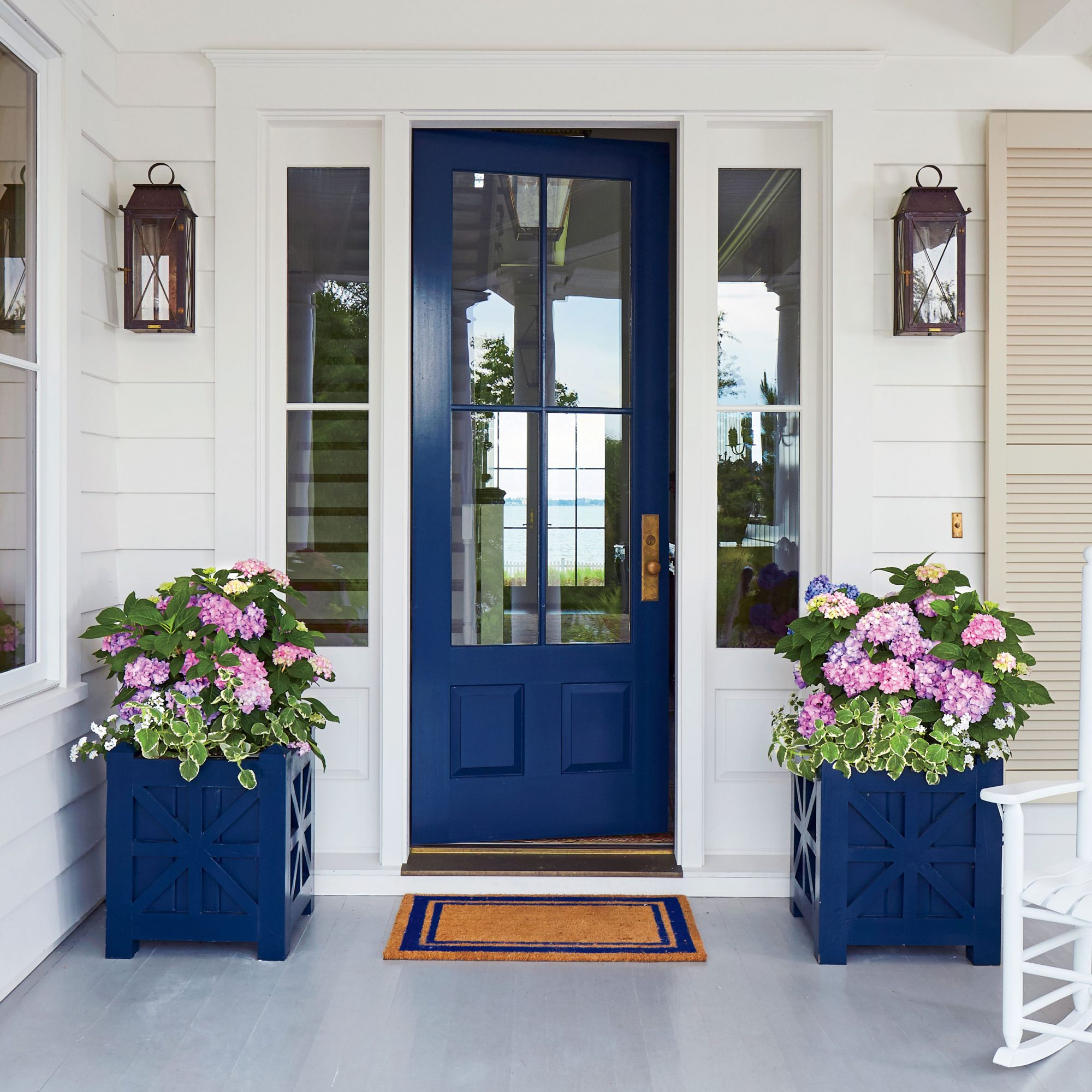
A front door’s color sets the tone before anyone knocks. Navy feels calm. Red feels confident. Coastal blue feels like Edmonds in July. You don’t need a full repaint. Even a trim touch‑up says: Someone loves this home. Hardware ages quietly, too. A quick polish, a tightened screw, or a new handle shifts the whole impression. Same with the doormat. A clean mat says “welcome.” A worn one says, “I’ll get to it eventually.” Ten‑minute fixes. Big difference.
Summer evenings stretch long, and warm porch lighting makes those hours feel intentional. Soft bulbs, even glow, no harsh glare. Lighting is emotional architecture. It guides people in and makes a home feel safe, lived‑in, and ready for company. And if you’re like me, with OCD battling ADHD, make sure the bulbs all match. It sounds small, but it does wonders for the front of your house.
And whether it’s neighbors passing by or friends arriving for dinner, the entry sets the tone. Healthy planters do more than decorate; they show care. Trim tired leaves, refresh the soil, and replace anything that’s given up on summer. Even one thriving pot by the door can make the whole entry feel alive and welcoming.
Small tasks add up. Wipe the glass. Sweep the entry. Knock down cobwebs. Tighten house numbers. Clean the frame edges. Non-dramatic. All noticeable. PorchFest reminds us that porches and front doors aren’t just architecture. They’re part of our identity.
A cared‑for entry feels like an open invitation, the same spirit that turns porches into stages and sidewalks into gathering places. Summer maintenance isn’t about perfection. It’s about presence. It’s about saying, “You’re welcome here,” before anyone even steps inside.
Your front door is the handshake of your home. A few summer updates make that handshake warm, confident, and unmistakably Edmonds.
An Edmonds Kind of Fourth: Community in Action

An Edmonds Kind of Fourth: Community in action
There’s a certain kind of magic that settles over Edmonds every Fourth of July. It’s not just the flags or the fireworks or the sound of kids racing down sidewalks. It’s the feeling – that unmistakable Edmonds energy – when the whole town shows up for each other.
The day starts early. Long before the parade rolls down Main Street, neighbors are out setting up chairs, greeting familiar faces, and catching up like no time has passed at all. It’s the kind of morning that reminds you why Edmonds feels less like a city and more like a shared front porch.
This year, yours truly was going to give it a try. I’d been sketching, planning, and, let’s be honest, overthinking the idea of building a float with my youngest daughter, the freshly minted Meadowdale graduate, and my always‑reliable, go-to engineering buddy.
The concept was simple and a little ridiculous in the best way: three cube‑style houses on a flatbed; one straw, one twigs, one brick. A playful nod to a story everyone knows, rolling proudly down Fifth Avenue. But the more I tinkered, the more I hesitated, and eventually the moment passed.
So instead of seeing it trundling down the parade route, you’ll just have to imagine how fun, and how very Edmonds, it would have been.
Back to reality. By the time the children’s parade begins, the sidewalks are packed. Families cheer, dogs trot proudly in red bandanas, and the youngest Edmonds residents take center stage. It’s joyful, chaotic, and completely perfect. A celebration of the next generation growing up in a community that truly sees them.
Then comes the main parade, and this is where Edmonds shines. Local businesses, nonprofits, service clubs, musicians, dancers, and volunteers all move as one long ribbon of community pride. A crowd (and my wife’s) favorite, the Grupo Folklórico horses, swirl past in bright color and rhythm, a reminder of the cultural threads that make this town richer.
And as the floats roll by, it becomes a kind of “old‑home week,” spotting friends, neighbors, and familiar faces dotted all along the parade route. Every wave feels like a small reunion.
And that’s the real story of An Edmonds Kind of Fourth. It’s not just a holiday. It’s a reminder of who we are when we come together. A town that shows up. A town that celebrates each other. A town that believes community isn’t something you talk about – it’s something you do.
As the sun sets and fireworks reflect off the Sound from other towns ringing the shoreline (yes, I miss the era we had fireworks), the day ends the same way it began: neighbors standing shoulder to shoulder, grateful to be part of something bigger than themselves.
Edmonds in action. Edmonds at its very best.
To graduates, from the town that watched you grow

To graduates; from the town that watched you grow

Every June in Edmonds, something subtle but unmistakable shifts in the air. The days stretch longer, the water glows a little brighter, and the city fills with a kind of hopeful anticipation.
Graduation season arrives, and with it comes a familiar mix of pride, nostalgia, and the quiet ache of change. Seniors walk across stages, families gather in the stands, and for a moment, the whole community seems to pause and take stock of what it means to grow up here.
Edmonds has always been more than a place where kids go to school. It’s a town that raises its young people in full view of their neighbors. It’s the backdrop to first jobs, first friendships, first heartbreaks, and the first real sense of belonging.
The parks, the waterfront, the coffee shops, the playgrounds, the Friday nights downtown; they all become part of the curriculum long before any student receives a diploma. The city itself teaches them independence, kindness, confidence, and connection. It shapes them in ways they won’t fully understand until they’ve been gone a while.
And like any home, Edmonds isn’t perfect. We don’t always get everything right. But we try. We try to bring love, offer support, be a community, and a sense of place. And we hope, truly hope, that one day these kids will look back with great love and admiration for this town they once called home.
And woven into that hope is a deep gratitude for the teachers, coaches, counselors, paraeducators, office staff, bus drivers, and every adult who showed up day after day to help shape our kids beyond what we could do alone.
They were part of the village – steady, patient, guiding – and their impact will echo long after the caps are tossed.
And for some of us, for the parents watching their last child graduate, this year feels different. There’s pride, of course. There’s joy. There’s the thrill of seeing them step into the world with courage and possibility. But underneath all of that is something quieter and harder to name.
It’s the realization that this is the final lap of a season of life that has defined you for nearly two decades. The last Meadowdale event. The last track meet. The last XC race where you knew half the kids by name. The last time you’d look around the stands and see the same parents you’ve shared bleachers, weather, and years with. It’s the end of a chapter you weren’t quite ready to close.
When your youngest graduates, the whole house shifts. The calendar empties. The noise quiets. The front door stops swinging open with kids dropping backpacks and raiding the pantry. The late‑night drives home from downtown Edmonds, the spontaneous gatherings, the laughter drifting down the hallway – they all start to fade into memory faster than you expect.
You and your wife look at each other and realize that the version of parenting you’ve known, the daily, hands‑on, all‑in version, is slipping into something new. Something more distant. Something that doesn’t include you in the same way it once did. And even though you’re proud, even though you know they’re stepping into something extraordinary, it still leaves a hole you can feel.
Parenting doesn’t end. It just changes shape. It becomes less about managing schedules and more about offering guidance from the sidelines. Less about being needed every day and more about being a steady presence they can return to when the world gets loud.
It’s a shift that brings pride, but also a sense of loss that’s hard to articulate. You raised them to fly, and now they’re doing exactly that. But no one tells you how quiet the nest feels once they’re airborne.
And yet, there is beauty in this transition. Just as Edmonds has shaped its young people, it has also shaped the parents who raised them. The friendships formed on the sidelines, in school parking lots, at community events, and in living rooms filled with teenagers; those connections don’t evaporate. They evolve. The community remains, even as the daily routines change.
Graduation season reminds us that growing up is something the whole town does together. The students move forward into their next chapters, carrying pieces of Edmonds with them. The parents step into a new chapter of their own, learning how to let go while holding on to the memories that made these years so full.
And the city, steady and familiar, continues to be the place where stories begin, where families grow, and where every June, we are reminded of how quickly time moves and how deeply we are shaped by the place we call home.
Pride in Edmonds: The quiet signals of a safe city

Pride in Edmonds: The quiet signals of a safe city
June brings a little more color into the world. Pride flags appear in windows, crosswalks brighten, and communities everywhere take a moment to celebrate belonging. But here in Edmonds, Pride has its own rhythm – quieter, steadier, and woven into the everyday ways people move through this place.
Because in Edmonds, belonging isn’t an event. It’s a way of being.
You see it in the small, ordinary signals that shape how a city feels. The driver who stops at the crosswalk no matter who’s waiting. Young, old, tattooed, suited, Pride‑flag backpack, doesn’t matter. The neighbor who offers a wave without needing to know your story.
The barista who treats everyone with the same easy kindness. The comfort of sitting in a park and knowing the space is meant for you, too. These moments don’t announce themselves, but they quietly say something essential: everyone belongs here.
Around town, Pride shows up in subtle, sincere ways. Some storefronts add flags or window displays. The library leans into inclusive programming. A few community gatherings take on a little extra color during June. Nothing loud or performative, just the city’s quiet way of saying, “You belong.”
Edmonds has long been a kind of safe zone, a place where people – no matter their creed, color, identity, or Pride affiliation – can move through the day without feeling out of place. It’s not something the city declares; it’s something it practices. You see it in the way people greet each other on sidewalks, in the way families show up for one another, and in the easy kindness that threads through daily life. Belonging here isn’t conditional. It’s cultural.
That sense of safety doesn’t come from a single policy or a single celebration. It comes from the accumulation of small choices, from businesses that create welcoming spaces, from schools that support LGBTQ+ students without fanfare, from community groups that fold inclusion naturally into their work.
It comes from leadership that listens and neighbors who look out for one another.
In Edmonds, belonging isn’t declared. It’s carried in the small, steady gestures that shape a community. Pride isn’t a month here. It’s a mindset.
Edmonds Parks: Where Neighbor Meets Neighborhood
Edmonds Parks: Where neighbor meets neighborhood
Edmonds is stitched together by its parks – 1 mile of shoreline, 47 parks and open‑space sites, 230 City‑managed acres, and another 362 acres cared for through partnerships.
From Seaview to the Bowl, from Highway 99 to the waterfront, these spaces give every neighborhood a place to walk, play, gather, and take a breath.
They’re not just destinations – they’re part of how Edmonds works.
In the center of town, Civic Center Playfield has quickly become the new jewel of Edmonds. The rebuilt park hosts festivals, concerts, markets, and major community events throughout the year; including the Edmonds Block Party and the Rotary Club of Edmonds Oktoberfest.
Kids fill the playground, adults gather at the petanque courts, and the open lawn flexes for everything from fitness classes to family picnics.
Just a block away, Centennial Plaza anchors the downtown core. It’s a compact civic space that plays a big role, serving as a home for announcements, gatherings, and the annual Christmas tree that lights up the season.
Across Main Street, Frances Anderson Playfield sits beside the Frances Anderson Center. The fields and playground serve as a central hub for youth sports, school activities, and community festivals, including the upcoming Edmonds Arts Festival. On weekends, it’s a steady mix of soccer games, families, and pop‑up events.
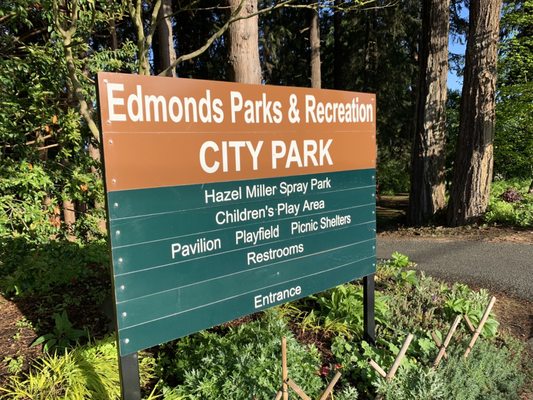
A few blocks south, Edmonds City Park remains one of the community’s most reliable gathering spots. With its playground, ballfields, picnic shelters, and popular spray park (now open!), it’s a go‑to for families and group events – busy, practical, and well‑used.
Along the waterfront, parks define the city’s edge. Marina Beach and the Edmonds Off Leash Area give dogs and their people a rare treat: a saltwater shoreline where dogs can run and swim.
Just across the tracks, the Edmonds Marsh offers one of the last remaining urban saltwater marshes in the region, with walking paths and viewpoints for birdwatchers and anyone looking for a quieter moment.
Nearby, Olympic Beach and the waterfront walkway connect the ferry dock to Marina Beach. It’s where visitors and locals stroll, watch ferries, and take in the most recognizable views in Edmonds.
In the neighborhoods, smaller parks keep things local. Hummingbird Park and Pine Ridge Park give north‑end and Bowl residents close‑to‑home green space. Pine Ridge, with its wooded trails and natural feel, is a small forest tucked into the city grid.
Seaview has its own anchors in Hutt Park and Sierra Park. Hutt Park offers wooded trails and a more natural experience, while Sierra Park provides play equipment and open space for families.
Some parks lean more toward nature than play structures. Yost Park is often described as Edmonds’ own forest; it’s a ravine and creek system with tall trees, bridges, and trails that hint at the landscape before development. It’s a place to walk under a canopy, hear water, and feel removed from the city while still being in it.
Edmonds also includes protected open spaces that many residents discover only over time. Robert F. Leary Open Space preserves a slice of natural habitat in the Bowl. Chase Lake and its wetlands provide wildlife habitat in the Lake Ballinger area.
And stretching across more than 100 acres, Southwest County Park offers ravines, wetlands, and miles of forested trails that feel far more remote than the map suggests.
On the east side, Esperance Park serves the unincorporated pocket between Edmonds and Lynnwood. With its playground, fields, and off‑leash dog area, it functions as both a neighborhood park and a regional resource.
Taken together, these parks form a network rather than a handful of destinations. They support youth sports, festivals, quiet walks, dog meetups, playground time, and everyday exercise. They reflect the variety of Edmonds neighborhoods – waterfront, wooded, urban, and everything in between.
In Edmonds, parks aren’t an extra. They’re where nature meets neighborhood, and where community shows up in everyday life.
Ready, Set: Summer Living, Edmonds-Style
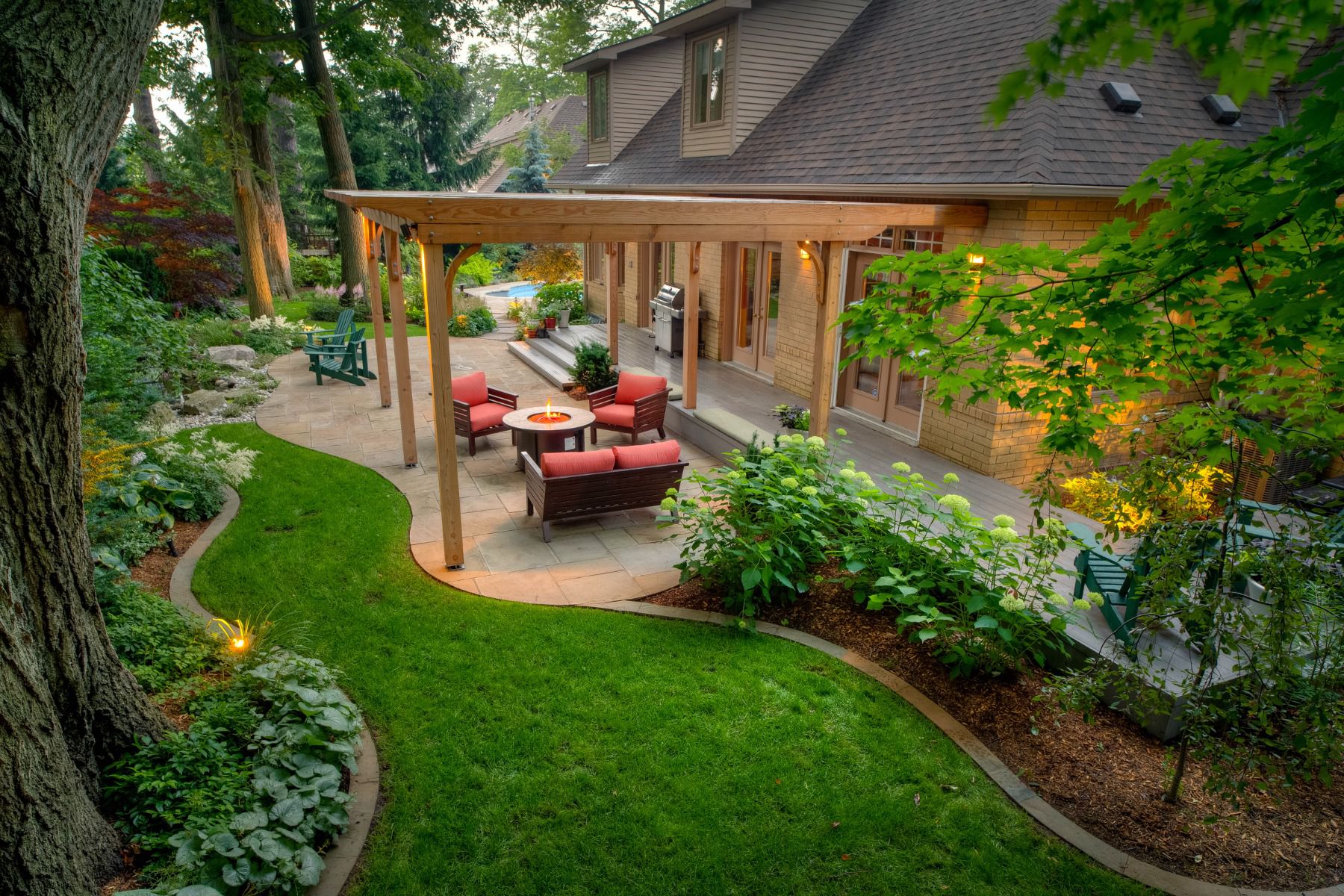
Ready, set: Summer living, Edmonds-style
Summer in Edmonds doesn’t arrive all at once. It eases in slowly, a little more evening light, a few warm afternoons, and that moment when you realize the yard has quietly shifted from winter recovery to summer possibility.
Before the season fully settles in – summer officially begins June 21 – it’s worth giving your outdoor spaces a thoughtful reset. Not a makeover (although only you know if you really should), or a major project. Just the kind of care that makes your home feel ready for longer days, open windows, and evenings outside.
The best place to begin is the ground itself. Garden beds take the hardest hit over winter, and by late spring, they’re often full of weeds, grass runners, and plants that have stretched in every direction. A round of deep-weeding and trimming changes everything.
Clearing out the beds sharpens the whole yard and gives your summer plants room to breathe. This is also the perfect moment to tuck in a few vegetables – tomatoes, herbs, lettuces, and beans all thrive when planted now, and by midsummer, you’ll have fresh ingredients right outside the door.
Once the beds are under control, turn to the lawn. A good mow, a defined edge, and a little attention to bare spots can make the yard feel refreshed without much effort. You don’t need a perfect lawn (although it often feels like a competition in Edmonds to have the very best).
A light fertilizer or organic treatment helps it green up for the season, and in our coastal light, even small improvements make the whole yard feel brighter.
With the foundation set, you can start shaping the outdoor spaces you actually use. Most homes have natural “zones,” even if they weren’t planned that way – a corner for morning coffee, a spot for an evening glass of wine, a place where the kids or grandkids tend to gather.
In our house, we have three distinct areas, each with its own vibe. You don’t need much to define these spaces. A pair of chairs and a small table become a conversation nook. A bench with a cushion turns into a reading spot. A single planter can anchor a tiny balcony. For Edmonds condo owners, planters are often the easiest way to bring life to a small patio or deck. A few well‑chosen pots can turn even a compact space into a personal retreat.
After the zones are set, give everything a quick clean. Sweep the patio, rinse the furniture, refresh the cushions, and wipe down the grill. Decks especially benefit from a spring reset; a simple wash brightens the boards, and a quick check for loose screws or soft spots keeps things safe for summer gatherings. Once the deck is clean, stage it the same way you would an indoor room – a couple of defined seating areas, a few plants, and a clear sense of how the space is meant to be enjoyed.
And then comes the part I’m admittedly obsessed with: lighting. Good outdoor lighting changes the entire mood of a home. It doesn’t need to be dramatic, just warm, intentional, and placed where it adds comfort. I’ve experimented with just about everything over the years, and the things I’ve ended up loving most are the simplest.
Café lights strung overhead create an instant sense of welcome. Hidden lights under the eaves cast a soft glow that makes the house feel warm without drawing attention. Uplights on trees add depth and texture to the yard. And one of my favorite tricks is weaving string lights into our willow’s branches.
The effect is subtle, almost magical, as if the yard itself were glowing. Lighting is the final layer and what makes the yard feel ready for long evenings with friends, quiet nights on the patio, or simply for enjoying the warm air after sunset.
Summer is the season when homes open up again. A little care in the garden beds, a refreshed lawn, a few intentional seating areas, a clean deck, and the right lighting can make your home feel ready for everything the season brings, from morning coffee outside to late‑night conversations under the glow of café lights.
Edmonds’ superpower: A city that GivesBIG for nonprofits

Edmonds’ superpower: A city that GivesBIG for nonprofits
Every spring, Washington’s GiveBIG campaign reminds us of something Edmonds has always lived out: Generosity isn’t a special occasion here – it’s part of the rhythm of our city. On May 5, neighbors across the state will be invited to give what they can, in whatever way they can.
And in Edmonds, a community made up of distinct little neighborhoods – from Perrinville and Firdale to Five Corners, Seaview, Meadowdale, and the Bowl – that spirit shows up in countless small, steady ways.
Edmonds is home to an unusually rich network of nonprofits and service organizations. You see their impact in afterschool programs that keep kids supported, in food and housing services that help families stay afloat, in arts and cultural groups that give Edmonds its creative pulse, and in the civic clubs that quietly power everything from scholarships to community events.
No single article could capture them all, and that abundance is part of what makes this place remarkable.
GiveBIG offers a moment to lift up that entire ecosystem. Some residents will donate money. Others will volunteer, mentor, or help spread the word. Many will give simply by showing up – attending a performance, supporting a fundraiser, or lending a hand where it’s needed. In Edmonds, giving has never been one‑size‑fits‑all – it’s whatever you have, offered with heart.
What ties these efforts together is the same thing that ties our neighborhoods together: a belief that community is something we build with intention. Whether it’s a child who needs a warm coat, a senior looking for connection, a family navigating a tough season, or an artist sharing their craft, there’s an Edmonds organization ready to help – and a neighbor ready to support them.
As GiveBIG approaches, Edmonds has another chance to show what it’s made of. Not just beautiful views or charming streets, but a deep generosity that runs through every block and every pocket of this city. We have a huge heart. We always have.
This year, let’s keep giving – time, money, energy, whatever we can – and keep strengthening the community we love.
Edmonds by the numbers

Edmonds by the numbers (the fun, fantastic, and fascinating ones)
Mayor Mike Rosen, who has served since Jan. 1, 2024, delivered his 2026 State of the City presentation on March 16 at the Edmonds Waterfront Center, offering a detailed snapshot of City operations and the work happening across departments.
Tucked inside that presentation were the hidden gems – the small, surprising details that reveal what it really takes to keep Edmonds running while the rest of us are just hoping our favorite coffee shop isn’t too busy, the ferry line isn’t too long on a holiday weekend, and the city looks as beautiful as ever.
These were the standouts.
We outlawed “bawdy houses” before we had modern plumbing
Edmonds’ first three ordinances, passed in the city’s earliest months, read like a time capsule. One regulated the sale of “intoxicating beverages,” with a fee that would equal roughly $20,000 today. Another outlawed “bawdy houses” and “lewdness,” with fines ranging from $5 to $50.
And the third banned a long list of gambling games – faro, monte, roulette, and even something called “raw poker.” It’s a reminder that cities have always had to think about everything, even the things we no longer imagine.
One person handled more than 1,000 police records requests
The Edmonds Police Department processed more than 1,200 public records requests last year – and one specialist handled over a thousand of them. It’s the kind of quiet, meticulous work that keeps a city transparent and accountable.
Storm drains: 6,970 of them – and more than 3,000 cleaned last year
Edmonds maintains nearly 7,000 stormwater catch basins. In 2025, crews cleaned more than 3,000, preventing flooding and keeping pollution out of Puget Sound. It’s the kind of infrastructure you never notice unless it stops working.
4 million gallons of sewage are treated every day
Every day, the city’s sewer system treats about 4 million gallons of wastewater. Crews cleaned more than 170,000 feet of sewer pipe last year and unclogged 51 backups. It’s not glamorous work, but it’s the backbone of public health.
Parks crews collected 100 tons of trash
That’s 200,000 pounds of trash removed from Edmonds parks in a single year. It’s astonishing – and a testament to how heavily our parks are loved, used, and cared for.
The city defends itself from 50 million intrusion attempts per month
Cybersecurity isn’t just for tech companies. Edmonds’ systems block roughly 50 million intrusion attempts every month. Even small cities operate in a global digital environment, and the threats are constant.
We maintain 8,103 street signs
And replaced 227 of them last year. Someone knows where every one of those signs is, what condition it’s in, and when it needs attention. That alone feels like a superpower.
And the human side: 222 neighbors supported
The City’s human‑services team coordinated support for 222 vulnerable residents last year. Many were experiencing homelessness or mental‑health challenges. These are the quiet, life‑changing efforts that rarely make headlines, but matter deeply.
@The takeaway
Cities are complex. Beautiful, yes. Scenic, absolutely. But also intricate, fragile, and full of moving parts most of us never see.
While we’re grabbing a latte, walking the dog, or admiring the sunset, someone is repairing a sewer line, pruning a park tree, reviewing a permit, or defending the city’s network from millions of digital threats.
And that’s what stood out most in this year’s State of the City: the sheer amount of invisible work that keeps Edmonds feeling like Edmonds.