Facebook
 X
X
 Pinterest
 Copy Link
Popcorn, community, and Throwback Thursdays
Popcorn, community, and Throwback Thursdays

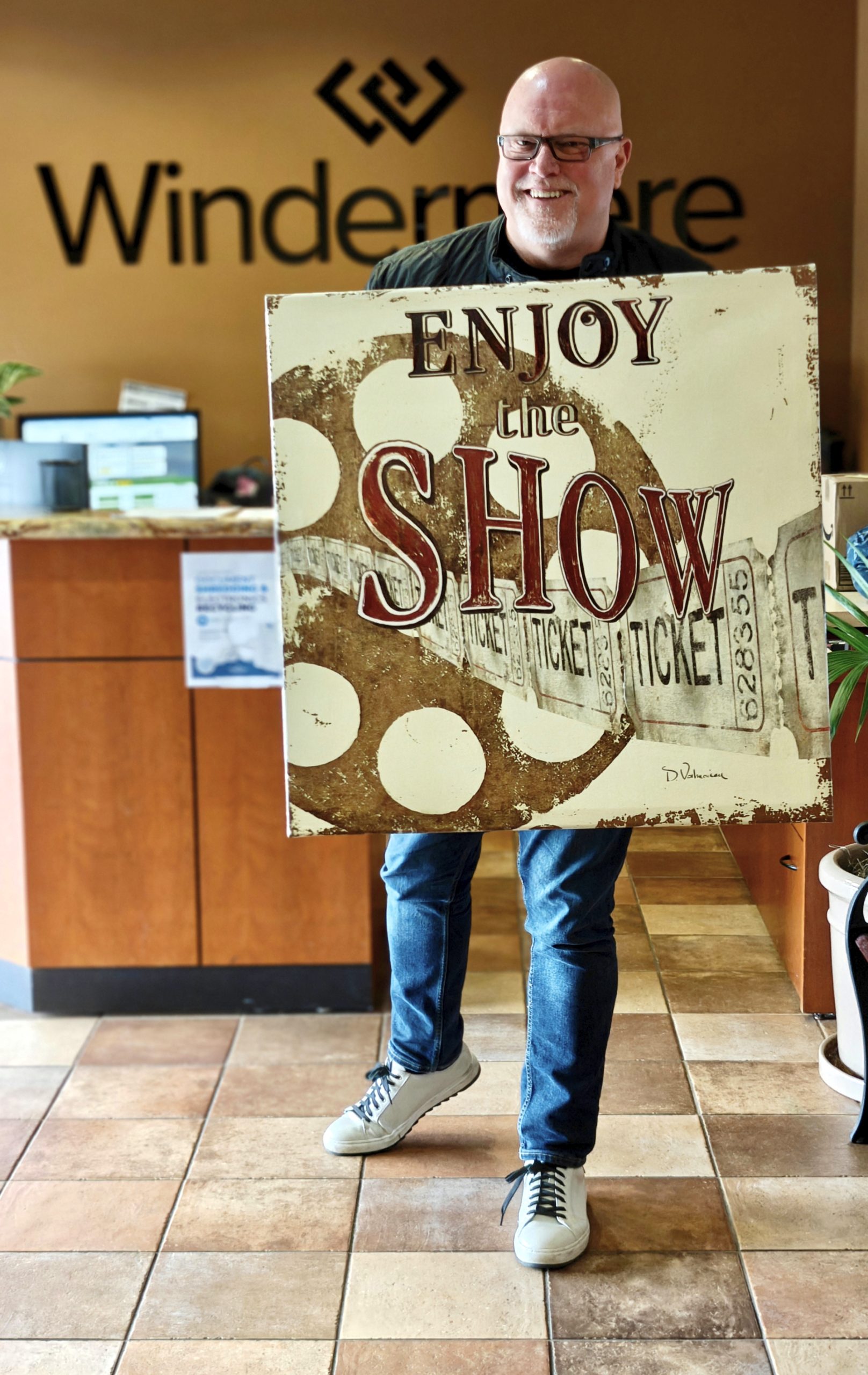
There’s a special kind of spark that happens when Edmonds gathers in the dark to watch a story unfold on the big screen. It’s simple, it’s shared, and it’s something this town has always embraced.
Throwback Thursdays at The Edmonds Theater (tickets are $5) taps into that familiar magic – a beloved idea that’s found fresh energy here, drawing neighbors together in a way that feels both timeless and very right now.
This isn’t just nostalgia. It’s connection. It’s energy. It’s a night on the town. It’s neighbors showing up for neighbors.
Working with Justin Pritchett, manager of The Edmonds Theater, has been a privilege for me as the screening sponsor. The theater itself is a treasure – 102 years old, independently operated, and still doing what it was built to do: bring people together through film.
In a country where single‑screen theaters have become increasingly rare, the Edmonds Theater is part of a shrinking group, with only a small fraction of America’s thousands of theaters still operating with just one screen. That rarity makes what we have here even more meaningful.
We’ve also partnered closely with Ryan Crowther at the Edmonds Chamber, who has been instrumental in helping spread the word and bringing more people downtown. Every third Thursday, you can feel the shift – more foot traffic, more conversations, more of that Edmonds buzz that makes this place feel alive.
The turnout has been incredible. Films like “When Harry Met Sally” and “Casablanca” filled the theater to the last seat, true sellouts that reminded us just how much Edmonds loves a night at the movies. And with upcoming titles like “Risky Business” and “The Breakfast Club,” it’s clear the next few months are going to bring that same packed‑house energy.
One of the highlights of the night is the pre-movie segment: trivia, giveaways, and support from local businesses that jump in to make the evening even more fun. Yes, it’s scary when someone puts a mic in my hands. The audience loves it, and it’s another way to shine a light on the small businesses that keep our town so vibrant.
And while I’m not usually a sentimental, “remember the good old days” type, I have to admit, being part of celebrating the big screen has been unexpectedly meaningful. I grew up going to the movies.
Even with a great setup at home, nothing compares to the real thing: the scale of the drama, the power of a great score, the nuance of thoughtful direction, the detail of intricate cinematography. Film deserves a big canvas. And so does community.
Throwback Thursdays isn’t just about classic movies. It’s about community, connection, cross‑promotion, having fun, and supporting everything local. It’s about celebrating the places and people that make Edmonds feel like home.
Shop local. Be local. Think local. And long live the big screen, and loving local.
House & home: Putting a spring in your prep
House & home: Putting a spring in your prep
I’m not an arborist. I definitely don’t play one on TV. But I do know a thing or two about getting a home ready for spring and leaving winter behind.
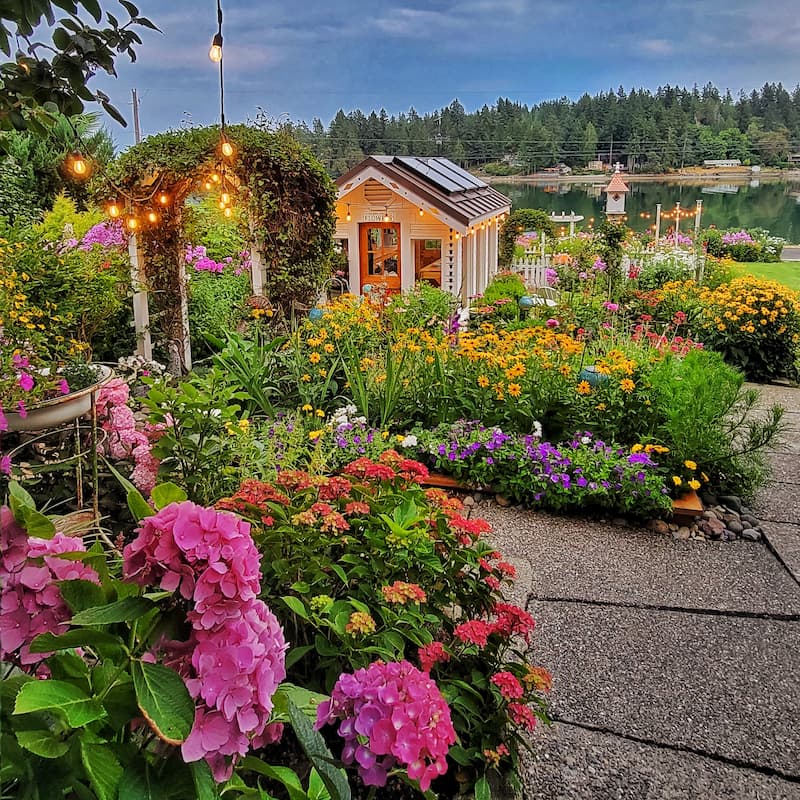
This year, that even included trimming the top of our plum tree so we could get a little peekaboo view of the Sound … and maybe end up with fewer plums bouncing around the yard come summer. We can never pick them up fast enough, even though we try to take the extras to the food bank.
While I was at it, I pruned back our roses, which turns out to be exactly the right time of year, and gave our ferns a thorough haircut. And because I was feeling ambitious, I started eyeing our ornamental cherry … until a little research taught me that one should wait until late summer. So that project is officially on pause, which honestly feels like a win.
Winter in Edmonds may have been mild, but it still leaves its fingerprints. Branches settle, leaves drift into corners, and the yard takes on that “just woke up” look. Then the light starts to shift, the tulips and daffodils push through, and suddenly it feels like the right moment to bring everything back to life.
Clear out the winter leftovers
A simple cleanup makes the biggest difference. Rake out the old leaves, gather the fallen branches, and trim back anything that stretched a little too far over the winter. It’s not about creating a magazine-ready yard (although this is Edmonds, and the bar is pretty high around here); it’s about giving everything room to breathe again.
Refresh the edges
Driveways, walkways, and garden borders always take the brunt of winter. A quick sweep, a little edging, and a reset of gravel or mulch sharpens the whole look of a home. It’s amazing how much cleaner and more intentional a yard feels with just a few minutes of attention.
Take stock of what’s working
Spring is a great time to notice how your yard actually behaves. Where does the light fall in the morning? Which corners stay soggy? What areas naturally invite a chair, a planter, or a small herb pot? You don’t need a master plan, just a sense of what makes your outdoor space feel good.
Bring in early color
You don’t need to know every plant in the yard to make spring feel like spring. A few pots of tulips or daffodils by the entry or on the porch add instant warmth while the rest of the yard catches up. These early pops of color do a lot of heavy lifting.
A quick nod to the inside, too
Spring prep isn’t only outdoors. This is also the time of year when the light changes inside the house, and suddenly you notice the windows, the baseboards, and that one closet that’s been quietly judging you all winter. A little cleaning and clearing indoors makes the whole home feel lighter, just like the yard.
Prep for the season you want
Whether you’re planning to grill more, grow a few herbs, or simply enjoy a tidy front yard, spring prep is about setting the stage for the months ahead. A little effort now pays off all season long and makes those first warm evenings feel even better
Cascadia Art Museum: A treasure hiding in plain sight


Cascadia Art Museum: A treasure hiding in plain sight
Edmonds has no shortage of gems, but now and then you walk into a place that reminds you just how special this town really is. The Cascadia Art Museum is one of those places – a quiet powerhouse of history, culture, and community impact that has been shaping the arts landscape since 2015.
I recently sat down with Executive Director Sally Ralston, whose enthusiasm for the museum is matched only by the depth of its mission. What Cascadia offers isn’t just art on walls; it’s a window into a Northwest story that has too often gone untold.
A museum with a mission
Cascadia Art Museum focuses on artists of the Pacific Northwest from 1870 to 1970 – a century of creativity that shaped the region long before contemporary art took center stage. But what makes Cascadia truly unique is who they choose to highlight.
Many of the artists featured were overlooked or marginalized in their time: women, Asian and Black artists, Japanese Americans, LGBTQ+ artists, and others whose work never received the recognition it deserved.
Curator and co-founder David Martin has spent decades researching and championing these voices, and the museum’s exhibitions reflect that dedication. Their niche is intentional, powerful, and deeply needed.
By focusing on historic Northwest art, Cascadia avoids competing with contemporary galleries in the region. Instead, they’ve carved out a space that is entirely their own – a place where forgotten stories are brought back into the light.
5 galleries and a place for young minds
The museum features five galleries, each thoughtfully curated, along with a dedicated learning room for children. And the impact on young people is remarkable.
Last year alone, 2,000 students came through the museum’s doors – many of them on field trips made possible because Cascadia pays for the school buses. That’s not a small gesture; that’s a commitment to access, equity, and the belief that art should be available to every child, regardless of circumstance.
Walking through the learning room, you can feel the energy of those visits – the spark that happens when kids see something beautiful, strange, or inspiring for the first time.
A hub of scholarship and global reach
Beyond the galleries, Cascadia is also a publishing force. It produces and distributes an impressive number of books on Northwest art history, sending them around the world. Scholars, collectors, and museums rely on their research. Their gift shop is a treasure trove of these publications, along with locally inspired gifts that reflect the museum’s spirit.
Powered by passionate people
Cascadia operates with a small, dedicated staff and a remarkable team of 100 volunteers. Ralston is quick to point out that the museum simply couldn’t function without them. These volunteers greet guests, support events, help with education programs, and keep the museum running smoothly day after day.
Their commitment reflects something bigger: a community that believes in preserving and celebrating its cultural heritage.
A true Edmonds treasure
In a town known for its creativity, Cascadia Art Museum stands out as something rare – a place that honors the past while inspiring the future. It’s a reminder that Edmonds isn’t just beautiful; it’s culturally rich, historically significant, and filled with people who care deeply about the arts.
If you haven’t visited yet, make the time. Wander the galleries. Explore the stories. Feel the pride of a community that continues to invest in something meaningful.
Cascadia Art Museum is more than a museum. It’s another reason Edmonds is such an extraordinary place to call home.
Mortgage Trends Shaping 2026

Mortgage Trends Shaping 2026
Buying a home in Edmonds in 2026 looks different from what it did even a few years ago. Soaring prices make homeownership unaffordable for many. But technology is speeding things up, market conditions are pushing lenders to get creative, and qualification pathways are expanding in ways that help more people step into homeownership.
To get a clear read on what’s changing, I reached out to a home loan officer for a take on the top trends shaping the year ahead.
AI meets mortgage documentation
Fannie Mae’s Day 1 Certainty program is transforming how lenders verify income and assets. Instead of gathering stacks of bank statements, paystubs, or W‑2s, clients can now securely connect their accounts through platforms like The Work Number for Everyone.
- How it works: Lenders verify income and assets directly with employers and banks.
- Why it matters: Fewer documents, faster approvals, and a smoother experience.
- Generational divide: Younger buyers love the convenience; others prefer a more traditional approach.
It’s a small shift with a big impact, especially for buyers who want clarity and speed.
Navigating rate volatility
Interest rates continue to move, and that volatility has encouraged lenders to offer more flexible solutions. One of the most effective tools right now is the temporary buydown, which lowers a buyer’s initial monthly payments and gives them breathing room while waiting for potential rate improvements.
The takeaway is simple: If the right home appears, today’s rate doesn’t have to be the barrier. Some pathways help buyers ease in and refinance later if conditions improve.
Expanding qualification options
Qualification rules are evolving to reflect how people actually live and earn today. A few examples:
- Boarder income: Documented roommate rent (nine of the last 12 months) may count toward qualifying.
- Bank statement programs: Ideal for self-employed borrowers who rely on deposits rather than traditional pay stubs.
- Asset depletion: Savings and investments can be converted into qualifying income through structured formulas.
These options open doors for buyers who may not fit the traditional mold but are financially ready for homeownership.
The bottom line
The mortgage industry is adapting to real-world needs, blending technology, flexibility, and creative qualification methods to make homeownership more accessible and less stressful
FEATURED IN THE EDMONDS BEACON: FEB 5TH, 2026 (edmondsbeacon.com/stories/mortgage-trends-shaping-2026,165226)
The Other Edmonds: Discovering Highway 99
The Other Edmonds: Discovering Highway 99
Many fine people picture Edmonds through its postcard moments, the waterfront, the cafés, the arts scene, the ferry slipping across the Sound. But there’s another Edmonds just a few miles east, still fully within city limits, shaped by global flavors, family-run shops, auto dealerships, and the kind of everyday commerce that keeps a community moving.
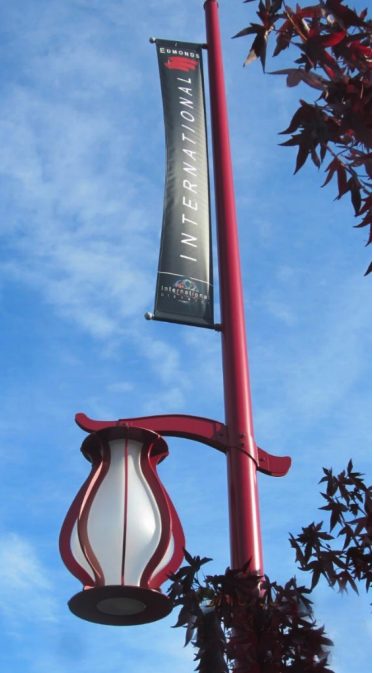
Along Highway 99, you’ll find a stretch of Edmonds that’s less photographed but no less authentic, a corridor with a stretch officially known as the Edmonds International District. It’s a district with deeper roots than people realize
Long before Highway 99 became the busy north–south route we know today, this area was part of the old Seattle Heights community, tied to the Interurban rail line that once connected Seattle and Everett. When the Pacific Highway opened in 1927 – quietly, without ceremony – it transformed the corridor into a major transportation spine. Before I-5 existed, this was the route north, and businesses sprang up to serve travelers, workers, and families building new lives along the roadway.
That history still lingers in the rhythm of the corridor: a place shaped by movement, opportunity, and reinvention.
A district defined by global flavors
Walk or drive this stretch of 99, and you’ll notice something immediately: the world shows up here. Korean, Japanese, Thai, Vietnamese, Taiwanese, and Chinese restaurants sit shoulder‑to‑shoulder, many of them family-owned and generational. These aren’t chains; they’re places built from scratch, where recipes come from memory, not huge marketing engines.
It’s the kind of district where you can grab Korean fried chicken, pick up fresh pastries, enjoy a steaming bowl of pho, or discover a dish you’ve never tried before. It’s multicultural, welcoming, and quietly vibrant, a reminder that Edmonds is more diverse than its waterfront image suggests.
The auto row that shaped local memories
For decades, the auto dealerships along Highway 99 have been landmarks in their own right. Many longtime residents bought their first car here, taught their kids to drive here, or remember the glow of dealership lights on winter evenings. These businesses have provided jobs, stability, and a sense of continuity as the city has grown and changed.
They’re part of the corridor’s identity, a practical, hardworking counterpoint to the arts‑and‑espresso charm of downtown. (By the way, Lynnwood Honda is in Edmonds. Fun fact. Oh, and Edmonds College is in Lynnwood. But that’s another story.)
A corridor in transition
The City has invested heavily in revitalizing this stretch of 99, focusing on safety, walkability, and placemaking. New sidewalks, lighting, and streetscape improvements are slowly reshaping the experience. The goal isn’t to turn Highway 99 into downtown Edmonds; it’s to help it become the best version of itself.
A place where small businesses can thrive. A place where cultures meet. A place that feels like Edmonds, even if it looks different from the postcard.
Why this part of Edmonds matters
Communities aren’t defined only by their most photographed corners. They’re defined by the full fabric, the places where people work, gather, shop, and build their futures. Highway 99 may not have the charm of the waterfront, but it has something just as important: authenticity.
It’s where new businesses take root. Where immigrant families build livelihoods. Where Edmonds shows a side of itself that’s global, gritty, and full of heart.
The bottom line
As Edmonds continues to evolve, the Highway 99 corridor deserves to be part of the story we tell about who we are. Not as an afterthought, but as a district with its own identity, its own history, and its own role in shaping the community. The more we recognize its value, the more complete our picture of Edmonds becomes.
Originally Posted: edmondsbeacon.com/stories/untitiled,163046
Edmonds 2025: A year in review


Edmonds 2025: A year in review

Edmonds has always been more than a city. It’s a community stitched together by moments. As 2025 comes to a close, looking back reveals a year filled with festivals, creativity, generosity, and neighborly spirit that remind us why we love where we live.
Arts, waterfront, and celebration
The Edmonds Center for the Arts continued to be a hub, hosting concerts, plays, and performances that brought national talent and local voices together. The Edmonds Arts Festival once again transformed downtown into a gallery without walls, showcasing painters, sculptors, and photographers while raising funds for arts education.
The Port of Edmonds lit up the marina with its annual Holiday Night at the Marina, complete with festive boats, live music, and hot cider. Whale watching tours and waterfront concerts drew visitors from across the region, reinforcing Edmonds’ reputation as Puget Sound’s most welcoming shoreline. And the Christmas Ship Festival brought illuminated flotillas to the fishing pier, a tradition that continues to enchant families.
Philanthropy and community care
2025 was also a banner year for giving in Edmonds. The Edmonds Waterfront Center hosted its annual gala, where neighbors came together to support more than a hundred community programs. The Cascadia Art Museum celebrated its 10‑year anniversary with a glamorous gala, ensuring the legacy of Northwest art continues to inspire future generations.
And the Edmonds Food Bank broke records with its Empty Bowl fundraiser, followed by a major grant that pushed its capital campaign forward. Together, these efforts reflect Edmonds’ deep commitment to service, culture, and care.
The City’s Parks & Recreation department hosted family‑friendly gatherings, outdoor movie nights, and cultural celebrations that made Edmonds’ green spaces feel like extensions of our living rooms. And neighbors rallied around the Waterfront Center, Rotary, the Food Bank, and countless nonprofits, proving once again that service is at the heart of this town.
Neighborhoods and belonging
Beyond downtown, Edmonds’ neighborhoods continued to grow together in 2025, weaving a stronger sense of unity across the city. From Seaview to Five Corners, from the Bowl to Hwy 99, residents found ways to connect through block parties, park gatherings, and shared traditions.
This year reminded us that Edmonds is more than a collection of districts – it’s a unified place to live, where each neighborhood adds its own character to the whole.
What ties all these threads together is the sense of belonging. Whether sipping cocoa at the marina, strolling through the arts festival, or gathering in a neighborhood park, Edmonds residents showed that community isn’t just about events – it’s about connection.
2025 reminded us that Edmonds thrives when we gather, celebrate, and support one another. It’s a place where porch lights, parks, and performances all shine a little brighter because they’re shared.
As we step into 2026, Edmonds carries forward the joy of a year well‑lived. The events may change, but the heartbeat remains the same: A community that lights up together.
House and home: Holiday Glow-Up

Edmonds Effect
House and home: Holiday glow-up
Here are some tips on keeping your home bright during the Big Dark.
Lighting secrets for warmth indoors and out
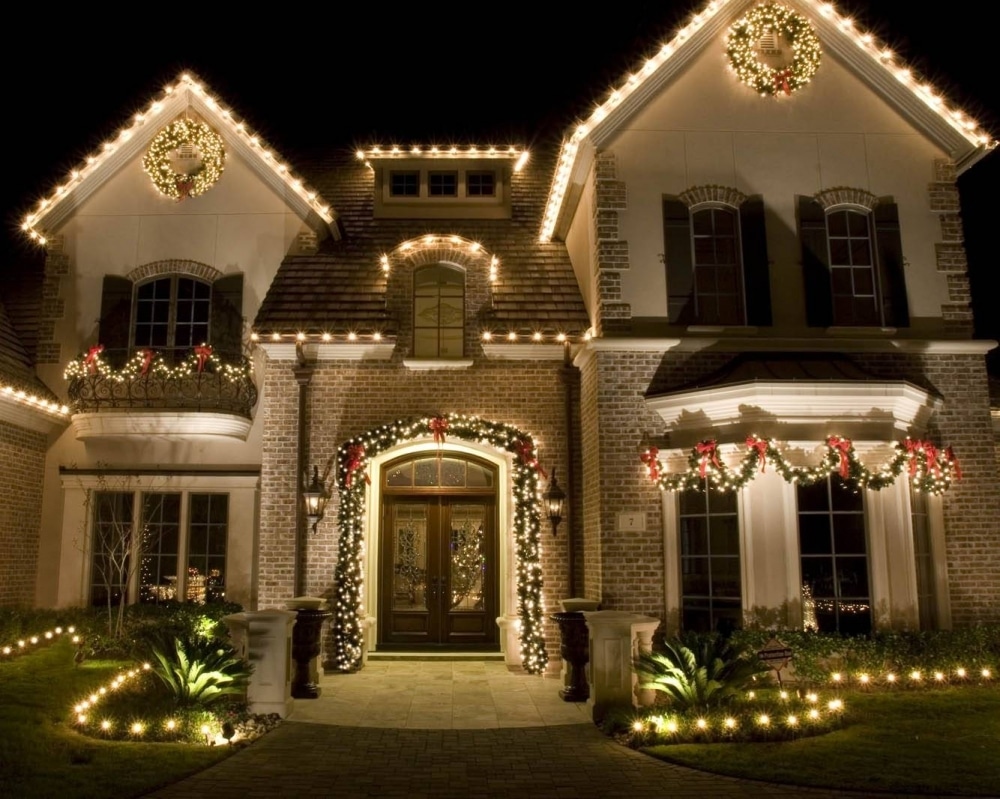
As winter deepens and nights stretch long, Edmonds homes become canvases of light. The glow spilling from windows, the shimmer of string lights, and the quiet warmth of candles all remind us that comfort is not just felt – it’s seen. This season, lighting is more than decoration: it’s mood, memory, and belonging.
The poetry of indoor light
Inside, light shapes atmosphere. Ambient fixtures provide a gentle wash, while lamps and sconces carve out cozy corners. The secret lies in layering: overhead light for function, task lighting for focus, and accents for intimacy. Warm bulbs – in the 2700–3000K range – mimic firelight, flattering skin tones, and softening edges. Even small choices, like dimmers or the symmetry of lampshades, can transform a room from ordinary to inviting.
Textures amplify the effect. A velvet cushion under lamplight, a woven throw catching shadows, or glass ornaments reflecting glow – these details create depth and rhythm. Together, light and texture compose a symphony of comfort.
Outdoor glow: A personal ritual
Lighting doesn’t stop at the threshold. Outdoors, it becomes a gesture to the neighborhood, a quiet signal of welcome. At my own home, I’ve tucked subtle, dimmable lights beneath the lower awnings. They sweep downward, across the walls and black garage doors, casting a warm glow that feels inviting without glare. It’s not about spotlights or spectacle, but mood – a gentle illumination that makes the house pop against the night.
Like many of us in Edmonds, I keep uplighting and string lights year‑round. They frame the home with a steady glow, a reminder that light belongs to every season. During the holidays, I layer in additional accents – tastefully, sparingly. No awards for dazzling displays, no traffic jams of cars parked to gawk. Just a subtle sparkle that complements the existing glow, adding festivity without overwhelming.
A spectrum of holiday light
Across neighborhoods, the variety is striking. Some homes embrace spectacle, with displays so bright they could be spotted from an airplane – or even from space. Others prefer a quieter nod: a single candle in the window, a strand of lights along the porch, or a wreath lit softly at the door. Both approaches carry meaning. The bold displays celebrate joy with exuberance; the subtle gestures honor tradition with restraint.
And truly, to each their own. The beauty of holiday lighting lies in its diversity. Some families delight in choreographed extravagance, while others lean into understated elegance. My own style is more subtle, but I admire the creativity of those who go all out. Together, these choices create a patchwork of light that makes winter nights feel less heavy.
Closing glow
Ultimately, the holiday glow‑up is about intention. Indoors, it’s the layering of light and texture that makes rooms feel alive. Outdoors, it’s the quiet gestures – hidden awning lights, year‑round strings, tasteful holiday accents – that make homes pop against winter nights. And across Edmonds, it’s the spectrum of light, from dazzling to subtle, that reminds us this season is about warmth, welcome, and home.
The Edmonds Effect
Why living here changes you – for good
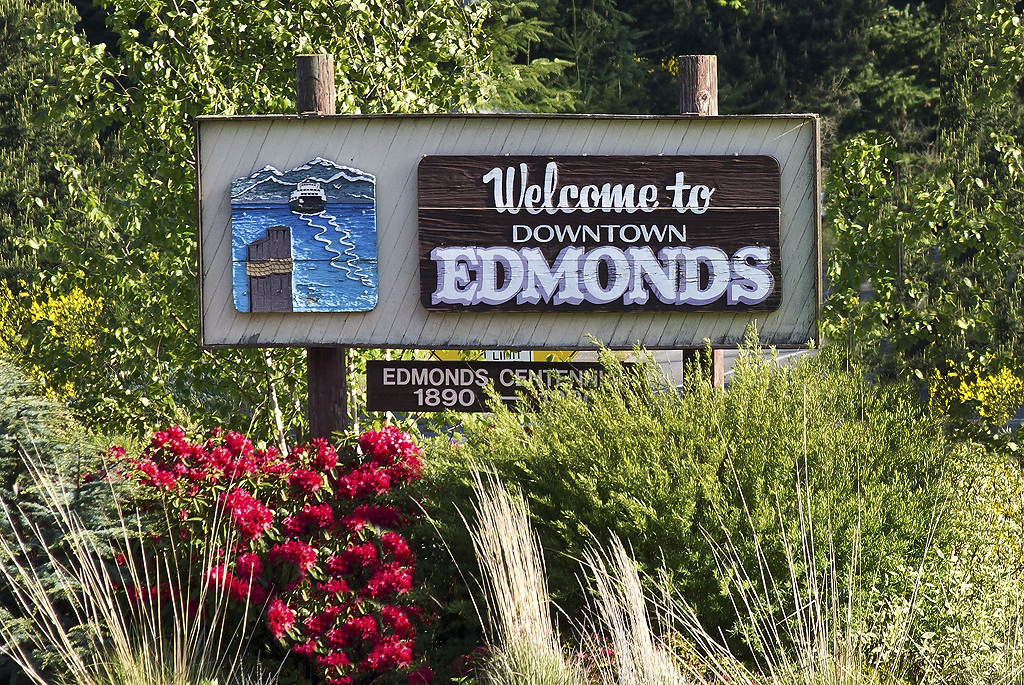
There’s something about Edmonds. You feel it before you name it. Maybe it’s the way the light hits the Sound at sunset, or how the barista remembers your order even when you forget your wallet. Maybe it’s the quiet pride in a well-tended OVD garden, or the way strangers become neighbors with just one block party in Pine Park.
Whatever the reason, the feeling is real. And if you’ve lived here long enough, you know – Edmonds changes you, for good.
I know this firsthand. My family moved from the city to Seaview 16 years ago, chasing a quieter rhythm and a place to raise our two daughters. We found more than we hoped for – schools that felt like community, neighbors who became friends, and a sense of safety that let us exhale.
Our memories are tucked into ferry rides, Friday night lights at Meadowdale, and walks to Caffe Ladro at Five Corners. Edmonds didn’t just give us a home – it gave us a childhood to raise them in, and a town that still surprises us with its warmth.
As a real estate broker, I’ve watched people fall in love with a house, but it’s the place that feels like home before the paperwork even starts. They come for the view, the schools, the walkability. They stay because Edmonds offers something deeper: a sense of belonging.
Life here moves at a pace that invites you to breathe. To linger. To notice. You start waving to people you don’t know. You start caring about things like farmers markets, tide charts, and ferry schedules. You begin to feel part of something – not just living in a town but woven into it.
I’ve seen this happen to residents trading skyline buzz for coastal calm. They wander through the Bowl, grab a coffee at Walnut Street Coffee, and suddenly they’re asking about local restaurants and theater shows. They’re not just finding a place to live – they’re discovering a lifestyle. One that’s quieter, yes, but full of soul.
And it’s not just newcomers. Lifelong residents feel the pull, too. The Edmonds Effect is what keeps people rooted here even when life tries to tug them elsewhere. It’s why folks volunteer at Cascadia Art Museum, show up for art walks, help the Edmonds Food Bank with food drives, and rally around local businesses like they’re family.
Real estate here is more than a transaction. It’s a transition – a moment when someone chooses not just a house, but a way of life. Because in Edmonds, the vibe matters. The block matters. The outlook matters.
We’re lucky. Not every town invites you to slow down and lean in. Edmonds does. And when you let it, something shifts.
Whether it’s the buzz of Main Street or the hush of a tree-lined block, Edmonds invites you to notice. To linger. To belong. The color. The connection. The magic.
In a phrase, Edmonds is Simply Extraordinary.
Ken Grant is an Edmonds resident and broker with Windermere Real Estate.


Podcast: Play in new window | Download
From City Lights to Porch Lights
From City Lights to Porch Lights: Rethinking the Move to the Suburbs
For years, the city was our pulse. We chased opportunity, soaked in culture, and wore our urban grit like a badge of honor. So when the idea of moving to the suburbs crept in — maybe for space, maybe for schools, maybe just for sanity — it felt like betrayal. Like trading espresso shots for soccer snacks. Like selling out.
We joked about minivans. We feared boredom. We wondered if we’d lose ourselves.
But here’s the truth: we didn’t sell out. We evolved.
It’s Not Better or Worse — It’s Just Different
Moving to the suburbs isn’t a downgrade. It’s not a surrender. It’s a shift. A different rhythm. A different kind of richness. You trade honking horns for birdsong. Rooftop bars for backyard fire pits. Spontaneity for intention. It’s not about losing your edge — it’s about choosing where and how you want to live.
The Suburbs Aren’t Sleepy — They’re Spacious
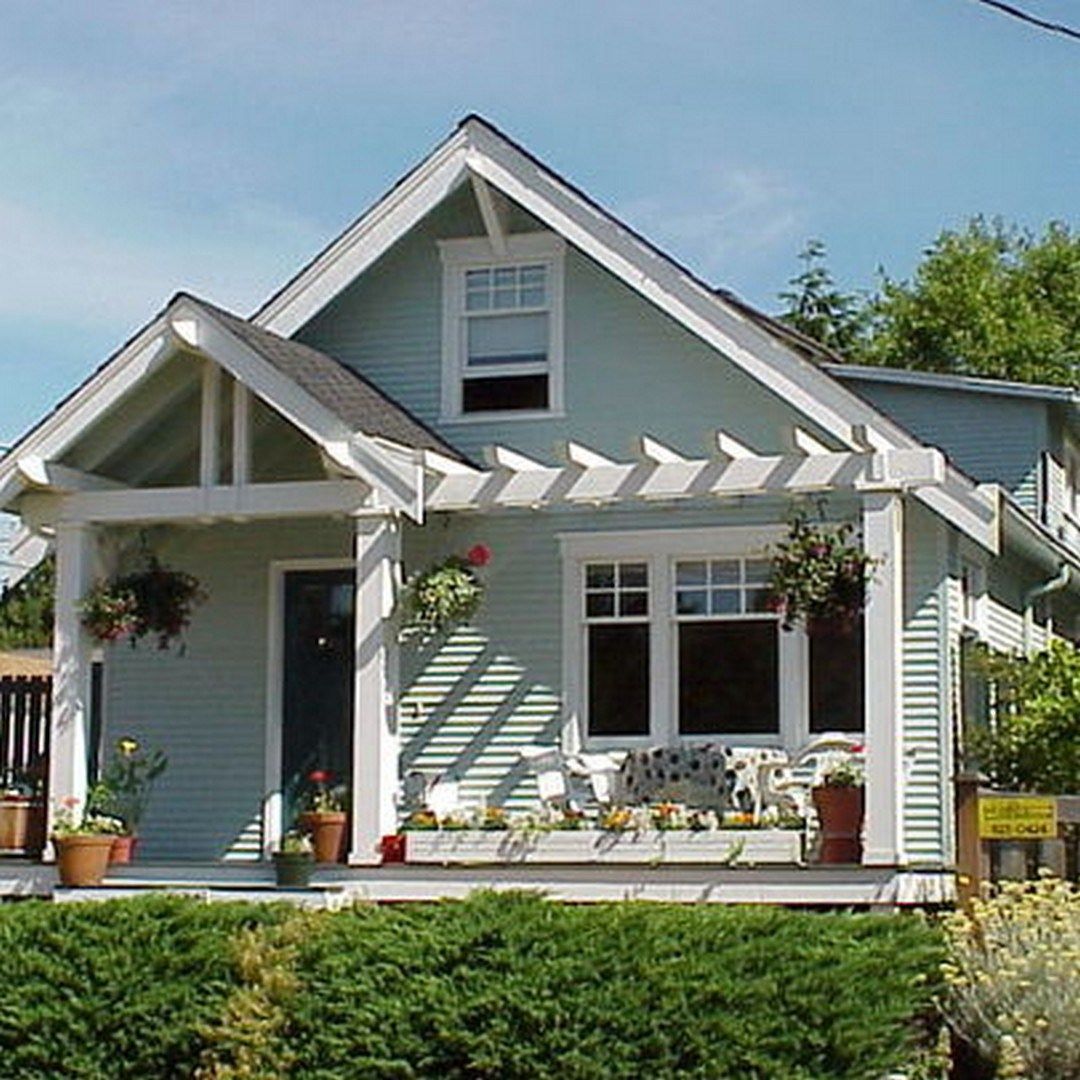
Yes, the pace is different. But slower doesn’t mean dull. It means room to breathe. It means front porches where neighbors wave. It means backyard dinners that stretch into starlight. It means rediscovering what home feels like when it’s not just a place to crash between meetings.
Belonging Looks Different Here — And That’s Okay
In the city, we belonged to the buzz. In the suburbs, we belong to each other. Block parties, food drives, game nights — these aren’t just calendar fillers. They’re community glue. And for many of us, they’re the first time we’ve felt truly seen.
You Don’t Lose Your Edge — You Refine It
Moving out doesn’t mean giving up. It means choosing what matters most. You still chase dreams. You still build. You just do it with more intention — and maybe a better view.
So, if you’re standing at the edge of that decision, wondering if the suburbs will dull your shine — know this:
You’re not selling out. You’re stepping in.
To space. To connect. To a potentially quieter lifestyle, yes — but also richer, deeper, and more yours than ever.
One Year In! Many More To Go…
One Year In: What Real Estate Taught Me About Belonging
I didn’t become a real estate broker to sell houses. I did it to help people find their place — not just on a map, but in a moment. A year ago, I stepped into this world with curiosity, creative energy, and a healthy dose of imposter syndrome. What I found was something quietly extraordinary.
The First Door I Opened Was My Own
Real estate isn’t just about square footage and school districts. It’s about listening. It’s about noticing the way light hits a kitchen counter at 4:17 p.m., or how a backyard feels like a sanctuary after a long day. It’s about helping people see not just what a home is, but what it could be.
I’ve learned to ask better questions. To slow down. To honour the emotional weight of a move — whether it’s joyful, bittersweet, or somewhere in between.
My Tribe, My Boss, My Partners
I wouldn’t be here without my designated broker, who saw something in me before I did. Without my tribe — the people who cheer me on, challenge me, and remind me why this work matters. Without my partners — the lenders, inspectors, repairers, and photographers who show up with excellence and heart.
This year has not been easy. This is a really tough job. But no one said it would be easy!
And it has been a masterclass in collaboration. In humility. In trusting the process. Trusting those around me; experts in their fields.
What This Job Taught Me About Myself
My family always said I would make a broker, “You’ll be a natural,” they would always say. My friends did too. Turns out, they were right — and watching their pride in this chapter has been one of the quiet joys of the year.
This work has also helped me understand myself more deeply. I’ve learned how my OCD lives inside my ADHD — how my eye for detail and my need for alignment aren’t quirks, but tools. They help me notice what others might miss. They help me serve.
This isn’t just a job. It’s my last job. And it fills me up in ways I didn’t expect.
Clients Who Became Collaborators
I’ve worked with some amazing clients this year — people navigating big transitions, bold decisions, and tender moments. I’ve been their cheerleader, their strategist, their sounding board. And in every case, I’ve tried to be the kind of guide I’d want in my own life: honest, empathetic, and quietly relentless.
Year Two: Focused, Local, and Proud
As I step into year two, I’m doubling down on my own backyard — Edmonds, Lynnwood, and Bothell. I’m shaping stories that speak to sellers with clarity and market insight, and to buyers with pride and lived expertise. I’m spotlighting the soul of these communities through cinematic, emotionally intelligent storytelling — not just to elevate listings, but to honour the lives behind them.
Thank You!
To my clients, collaborators, and community: thank you. You’ve let me into your lives, your living rooms, and your stories. You’ve trusted me with your transitions. And you’ve reminded me that real estate, at its best, is about belonging.
At the end of every video I produced this year, I say, “I am here at your service.” It’s not a tagline. It’s a promise. To show up with heart. To listen with intention. To serve with everything I’ve got.
Here’s to year two — with more focus, more hustle, and more unforgettable moments.
I am at your service.